Winter Indoor Humidity: The Right Level and How to Get There
Too dry or too damp, and what to do about each.
We may earn a commission when you buy through links on this page, at no extra cost to you. This does not change which products we cover. How we make money.
The target
EPA suggests keeping indoor relative humidity between 30% and 50%, and below 60% to limit mold. A cheap hygrometer shows where you are.
Too damp
- Run kitchen and bath exhaust fans.
- Avoid drying clothes indoors.
- Keep cold surfaces warmer: window film helps. See 3M vs Frost King window kits.
Too dry
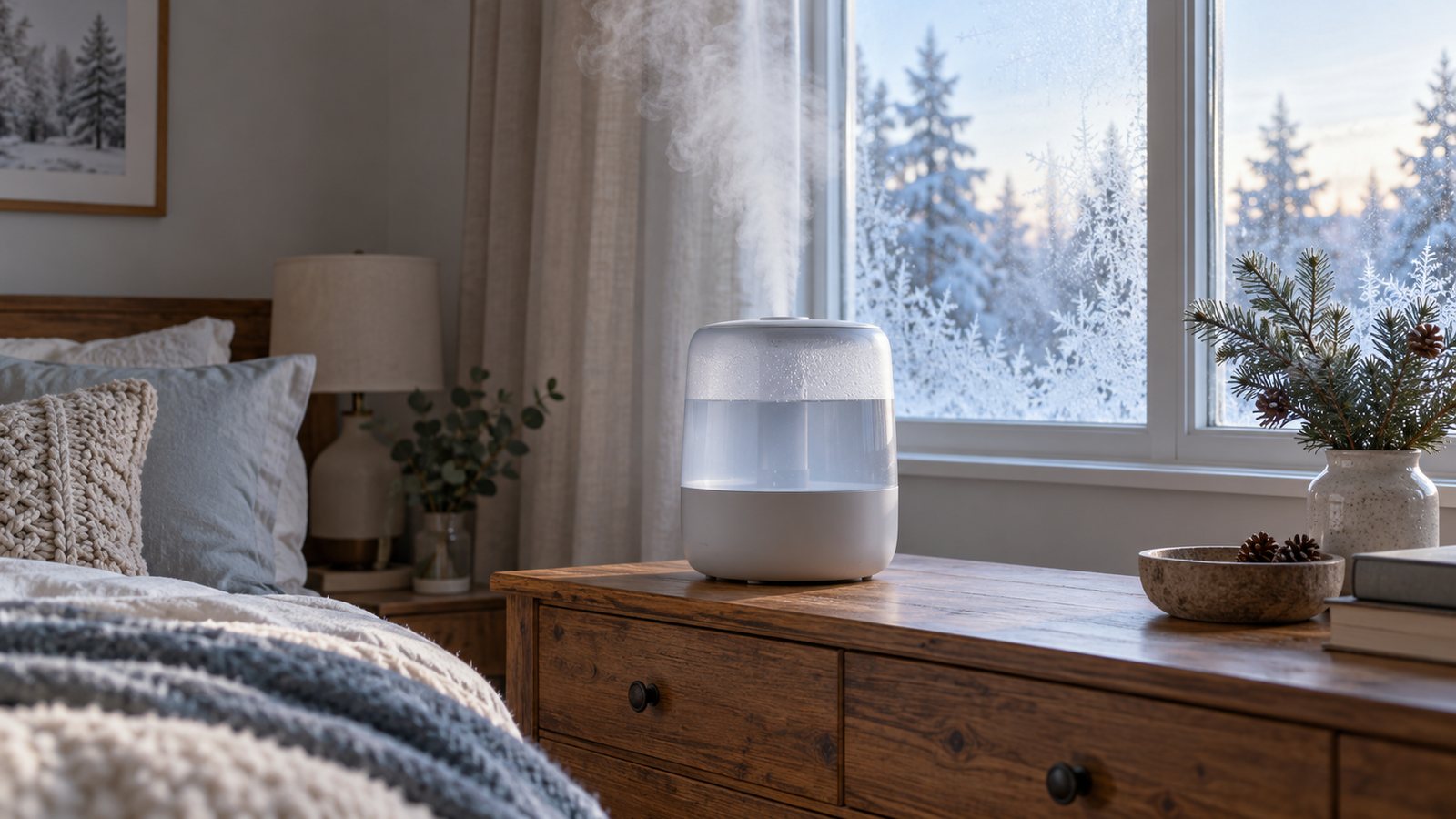
- A humidifier can help. Clean it often and keep the room under 50%.
- Seal drafts that pull in dry winter air. See how to weatherstrip.
Why humidity matters in winter
EPA’s guide puts it simply: the key to mold control is moisture control. Mold spores are everywhere, indoors and out, and EPA says none of the many types of mold will grow without water or moisture. In winter, warm indoor air meets cold windows, walls and pipes. When moisture condenses on those surfaces, mold has the damp spot it needs. EPA calls condensation a possible sign of high humidity.
How to measure it
EPA says relative humidity can be measured with a small, inexpensive moisture or humidity meter (a hygrometer), sold at many hardware stores. Put one in the rooms that worry you most, such as a bedroom with cold exterior walls or a bathroom. Check it at different times of day.
| Reading | What EPA’s guidance suggests |
|---|---|
| 30% to 50% | The ideal range |
| 50% to 60% | Still below EPA’s upper limit, but watch for condensation |
| Above 60% | Too high; act to reduce humidity |
Reducing humidity: the EPA list
- Vent moisture-producing appliances outside where possible. That means clothes dryers, stoves and kerosene heaters. EPA notes combustion appliances produce water vapor and raise humidity unless vented outdoors.
- Use air conditioners or dehumidifiers when needed.
- Run the bathroom fan or open a window when showering.
- Use exhaust fans or open windows when cooking, running the dishwasher or washing dishes.
Preventing condensation
EPA lists four steps:
- Reduce the humidity, using the steps above.
- Increase air movement by opening doors or windows when practical, and use fans as needed.
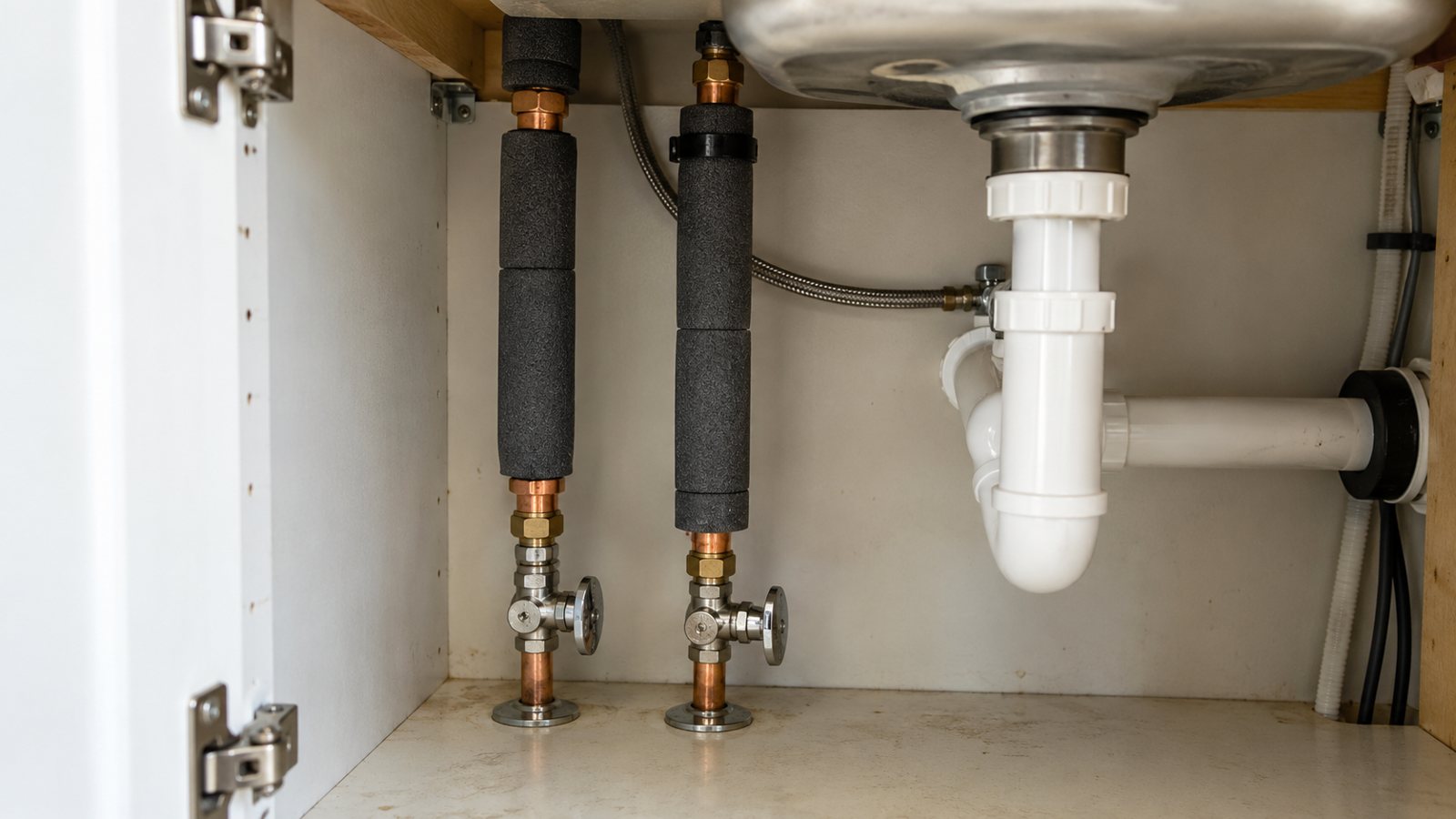
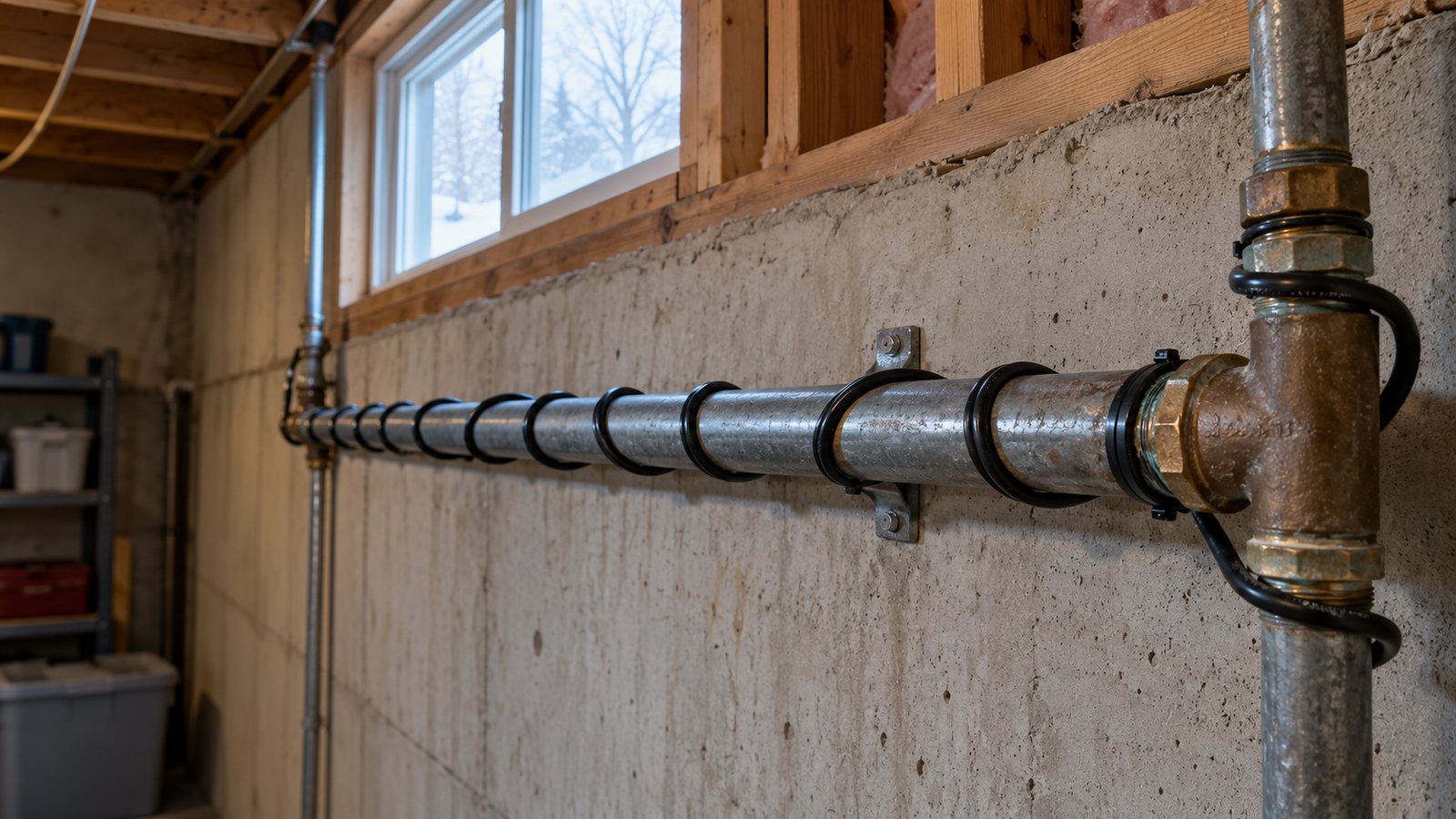
- Cover cold surfaces, such as cold water pipes, with insulation. EPA notes that rust on a drainpipe is a sign condensation is happening there. Our frozen pipes guide covers insulating pipes.
- Increase the air temperature.
If you see moisture collecting on windows, walls or pipes, EPA says to act quickly: dry the surface and reduce the source.
If water gets in
EPA says that if wet materials are dried within 24 to 48 hours of a leak or spill, mold will not grow in most cases. Fix plumbing leaks fast. Clean gutters, keep the ground sloping away from the foundation, and keep AC drip pans clean and drain lines flowing.
If mold has already started
- For areas under about 10 square feet (roughly 3 ft by 3 ft), EPA says you can usually clean it yourself. Scrub hard surfaces with detergent and water and dry them completely.
- Do not paint or caulk over mold. Clean and dry the surface first.
- Porous items such as ceiling tiles and carpet may have to be thrown away.
- Renters should report leaks and moisture problems right away to the building owner or manager.
A musty smell with no visible source can mean hidden mold, such as behind drywall, under carpet or inside ductwork. EPA suggests an experienced professional in that case.
Frequently asked questions
What humidity should I aim for?
EPA suggests 30% to 50% when possible, and below 60% to limit mold.
Why do my windows fog up?
Condensation on cold glass is a sign humidity is too high for that surface, EPA says.